Garden Huckleberry Seeds - Solanum - Garden Huckleberry
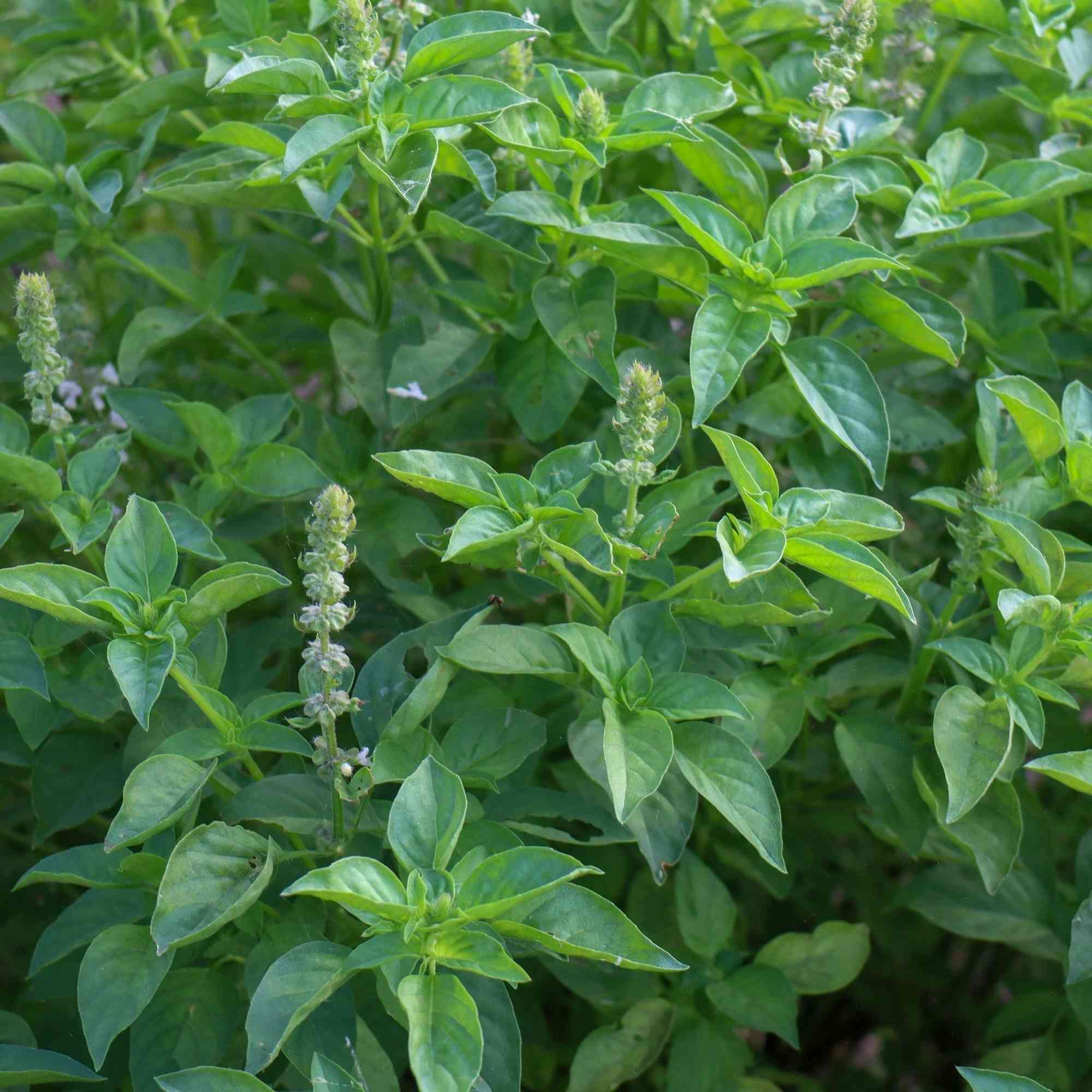
Garden huckleberry, Solanum scabrum, is a productive annual fruiting plant in the nightshade family grown for its clusters of small, glossy black berries. The plants resemble large black nightshade plants, forming bushy, upright growth that can reach around 2 to 3 feet tall. Broad green leaves and branching stems produce clusters of white star-shaped flowers, which develop into round berries that ripen from green to deep purple-black.
The berries are typically harvested when fully ripe and soft. Unlike many berries that are eaten fresh, garden huckleberries are traditionally cooked. When prepared into pies, jams, preserves, or syrups, they develop a rich flavor that has long made them a staple in old-fashioned homestead cooking.
Despite the name, garden huckleberry is not the same plant as the wild huckleberries many people are familiar with. The name “huckleberry” is a common name applied to several unrelated plants. True huckleberries belong to the genera Vaccinium or Gaylussacia and grow as perennial shrubs, often found in woodland environments. Garden huckleberry, by contrast, is an annual nightshade grown much like tomatoes or peppers.
Because of this shared common name, the plants are often confused with one another. Garden huckleberry is botanically closer to crops like tomatoes and eggplants than it is to blueberries or true huckleberries.
Gardeners grow this plant for its heavy yields and its usefulness in cooked dishes. Once established, the plants branch freely and produce numerous berry clusters throughout the growing season, making them a reliable and interesting addition to edible gardens.
Original: $2.00
-70%$2.00
$0.60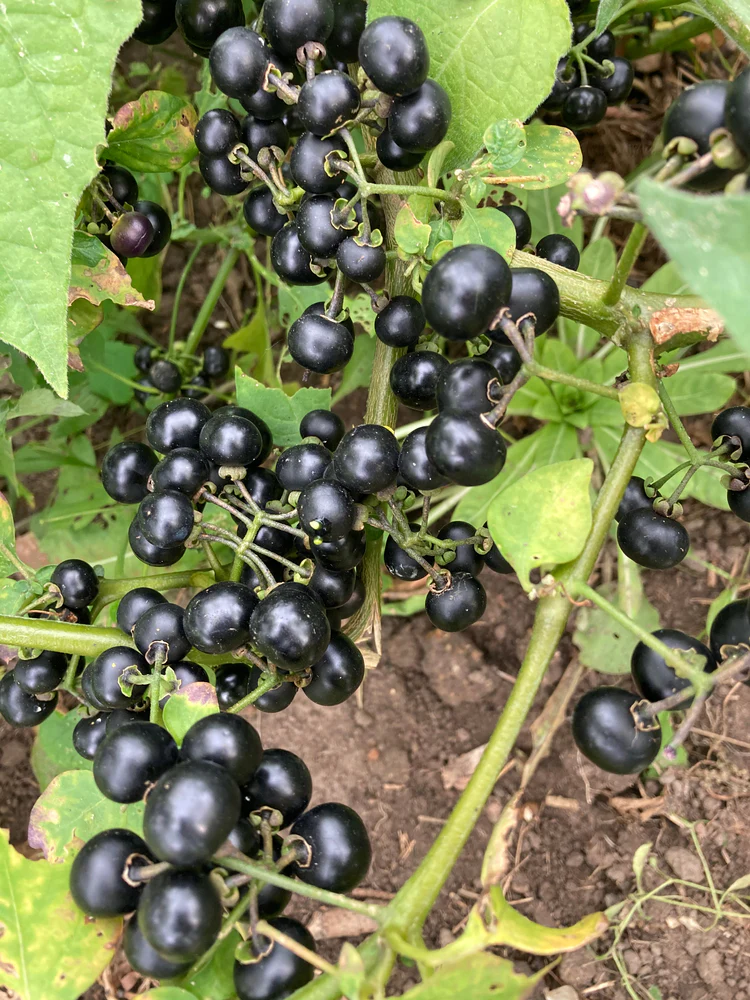
Description
Garden huckleberry, Solanum scabrum, is a productive annual fruiting plant in the nightshade family grown for its clusters of small, glossy black berries. The plants resemble large black nightshade plants, forming bushy, upright growth that can reach around 2 to 3 feet tall. Broad green leaves and branching stems produce clusters of white star-shaped flowers, which develop into round berries that ripen from green to deep purple-black.
The berries are typically harvested when fully ripe and soft. Unlike many berries that are eaten fresh, garden huckleberries are traditionally cooked. When prepared into pies, jams, preserves, or syrups, they develop a rich flavor that has long made them a staple in old-fashioned homestead cooking.
Despite the name, garden huckleberry is not the same plant as the wild huckleberries many people are familiar with. The name “huckleberry” is a common name applied to several unrelated plants. True huckleberries belong to the genera Vaccinium or Gaylussacia and grow as perennial shrubs, often found in woodland environments. Garden huckleberry, by contrast, is an annual nightshade grown much like tomatoes or peppers.
Because of this shared common name, the plants are often confused with one another. Garden huckleberry is botanically closer to crops like tomatoes and eggplants than it is to blueberries or true huckleberries.
Gardeners grow this plant for its heavy yields and its usefulness in cooked dishes. Once established, the plants branch freely and produce numerous berry clusters throughout the growing season, making them a reliable and interesting addition to edible gardens.