Bean Seeds - Bush - Hidatsa Shield Figure
A rare and historic heirloom from the Hidatsa people of North Dakota, Hidatsa Shield Figure is named for the distinctive red-and-white pattern on each bean—said to resemble the traditional painted shields once carried by Hidatsa warriors. Compact, semi-vining plants reach about 18–24 inches tall, producing clusters of pods filled with beautifully mottled beans that are as ornamental as they are delicious.
The flavor is full and earthy, with a creamy texture when cooked, making it excellent for stews, soups, and traditional bean dishes. These beans hold their shape during long cooking and are easy to shell and dry, providing both fresh and storage versatility.
First recorded by ethnobotanist George F. Will in the early 1900s, Hidatsa Shield Figure has endured through generations thanks to its reliability and its deep cultural roots in Northern Plains agriculture. Hardy, high-yielding, and rich in story, it’s a true heritage bean worth preserving.
Original: $2.00
-70%$2.00
$0.60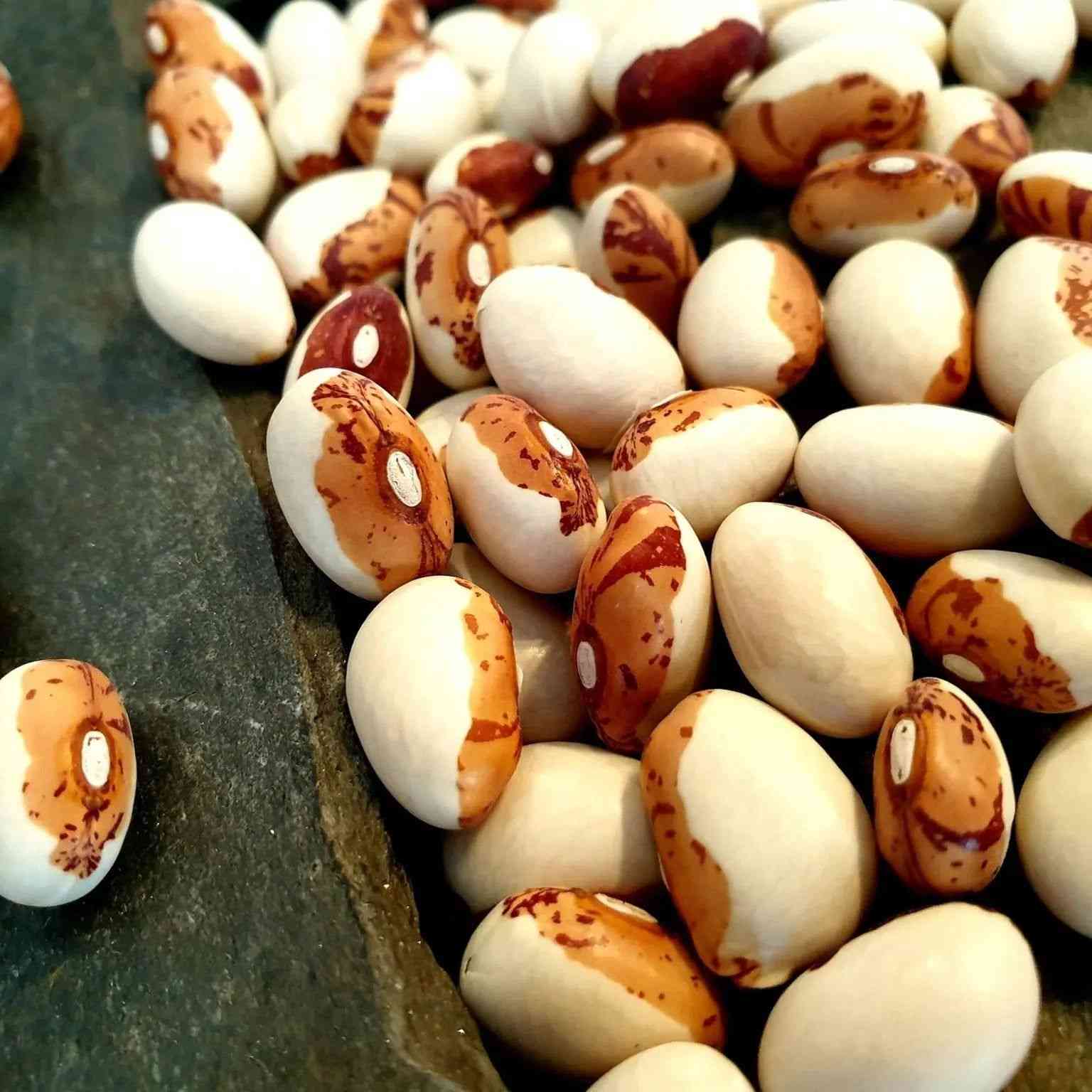
Description
A rare and historic heirloom from the Hidatsa people of North Dakota, Hidatsa Shield Figure is named for the distinctive red-and-white pattern on each bean—said to resemble the traditional painted shields once carried by Hidatsa warriors. Compact, semi-vining plants reach about 18–24 inches tall, producing clusters of pods filled with beautifully mottled beans that are as ornamental as they are delicious.
The flavor is full and earthy, with a creamy texture when cooked, making it excellent for stews, soups, and traditional bean dishes. These beans hold their shape during long cooking and are easy to shell and dry, providing both fresh and storage versatility.
First recorded by ethnobotanist George F. Will in the early 1900s, Hidatsa Shield Figure has endured through generations thanks to its reliability and its deep cultural roots in Northern Plains agriculture. Hardy, high-yielding, and rich in story, it’s a true heritage bean worth preserving.