Gayfeather Seeds - Liatris spicata var. spicata - Spiked Blazing Star
Liatris spicata var. spicata, commonly known as Spiked Blazing Star, Gayfeather or simply Spiked Gayfeather, is a wild-type native perennial found throughout the eastern United States, thriving in prairies, wet meadows, and open woodland edges. It forms tall, upright spikes lined with dense rosy-purple flower heads that bloom from the top down, drawing in butterflies, bees, and hummingbirds during midsummer.
This spiked gayfeather species provides strong vertical structure in the garden, with narrow grassy foliage at the base and striking flower wands rising above. As a true native, it offers excellent ecological value and naturalizes well in restoration work, pollinator gardens, and meadow plantings.
Seeds can be more challenging to germinate compared to common ornamentals. Spiked Blazing Star often requires cold stratification and consistent moisture to break dormancy, and germination may be naturally slow or variable. Once established, however, it is a long-lived, drought-tolerant perennial that delivers dependable color, wildlife support, and a distinctive prairie aesthetic year after year.
Original: $2.00
-70%$2.00
$0.60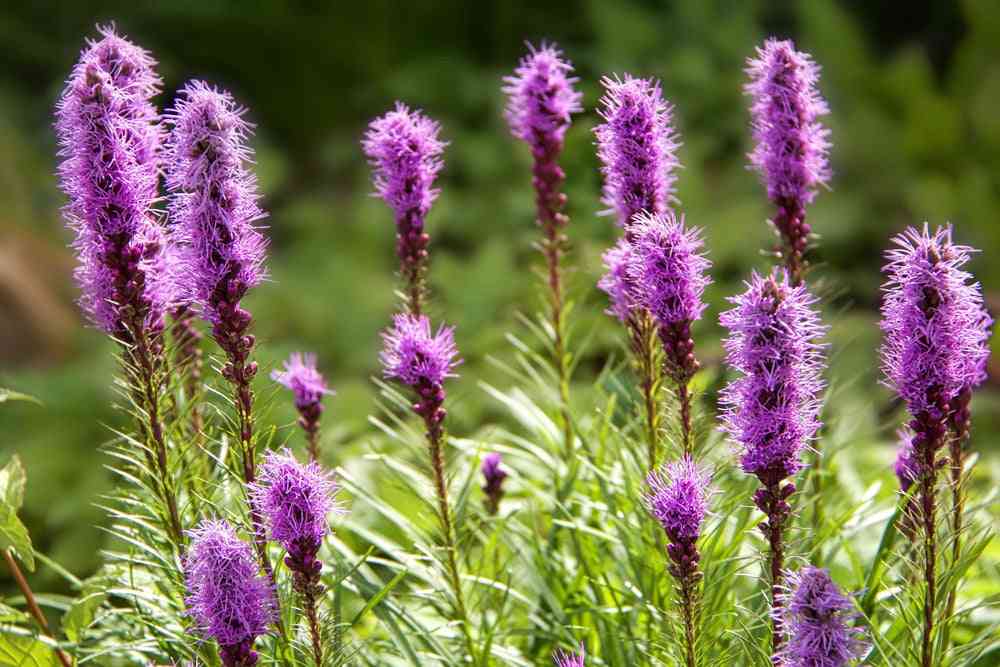
Description
Liatris spicata var. spicata, commonly known as Spiked Blazing Star, Gayfeather or simply Spiked Gayfeather, is a wild-type native perennial found throughout the eastern United States, thriving in prairies, wet meadows, and open woodland edges. It forms tall, upright spikes lined with dense rosy-purple flower heads that bloom from the top down, drawing in butterflies, bees, and hummingbirds during midsummer.
This spiked gayfeather species provides strong vertical structure in the garden, with narrow grassy foliage at the base and striking flower wands rising above. As a true native, it offers excellent ecological value and naturalizes well in restoration work, pollinator gardens, and meadow plantings.
Seeds can be more challenging to germinate compared to common ornamentals. Spiked Blazing Star often requires cold stratification and consistent moisture to break dormancy, and germination may be naturally slow or variable. Once established, however, it is a long-lived, drought-tolerant perennial that delivers dependable color, wildlife support, and a distinctive prairie aesthetic year after year.