Bean Seeds - Pole - Runner - Bear Paw Runner
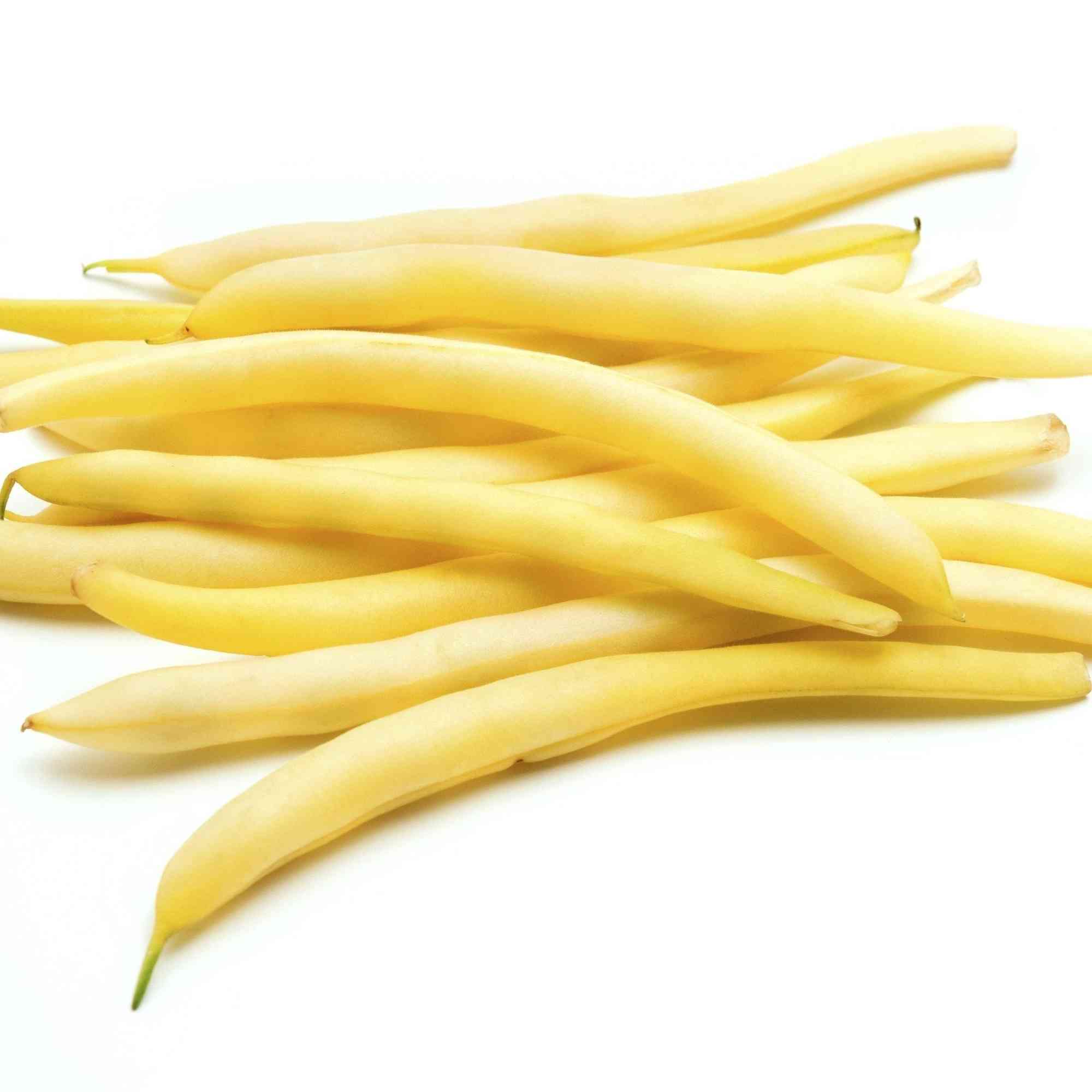
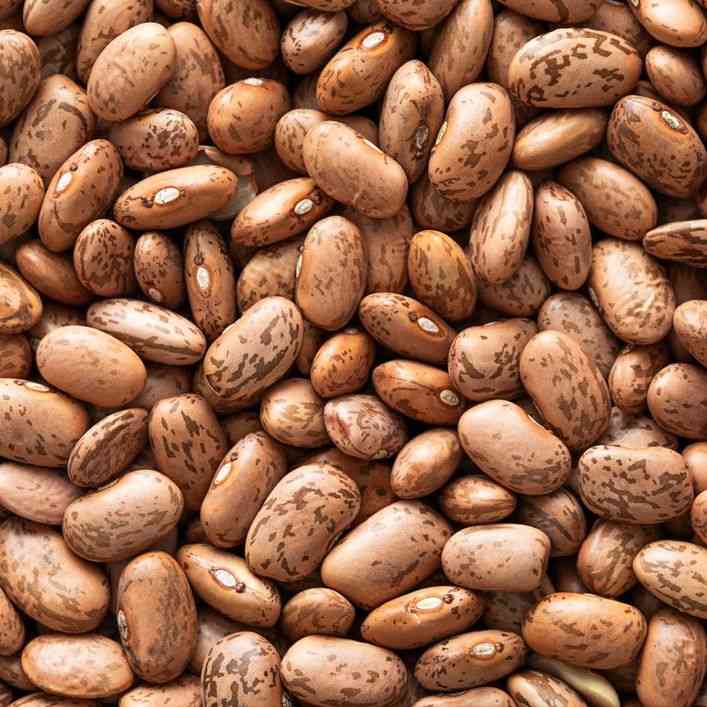
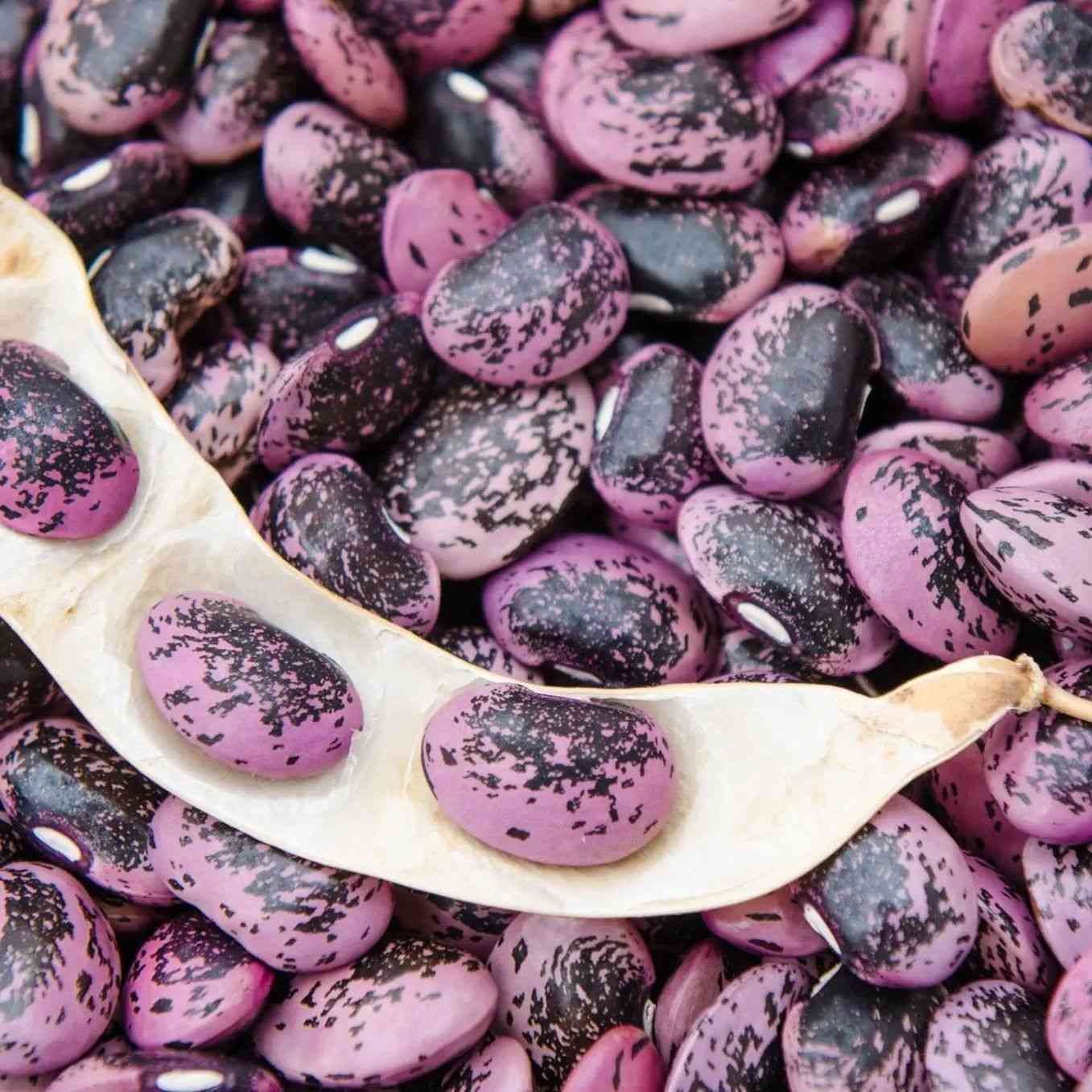
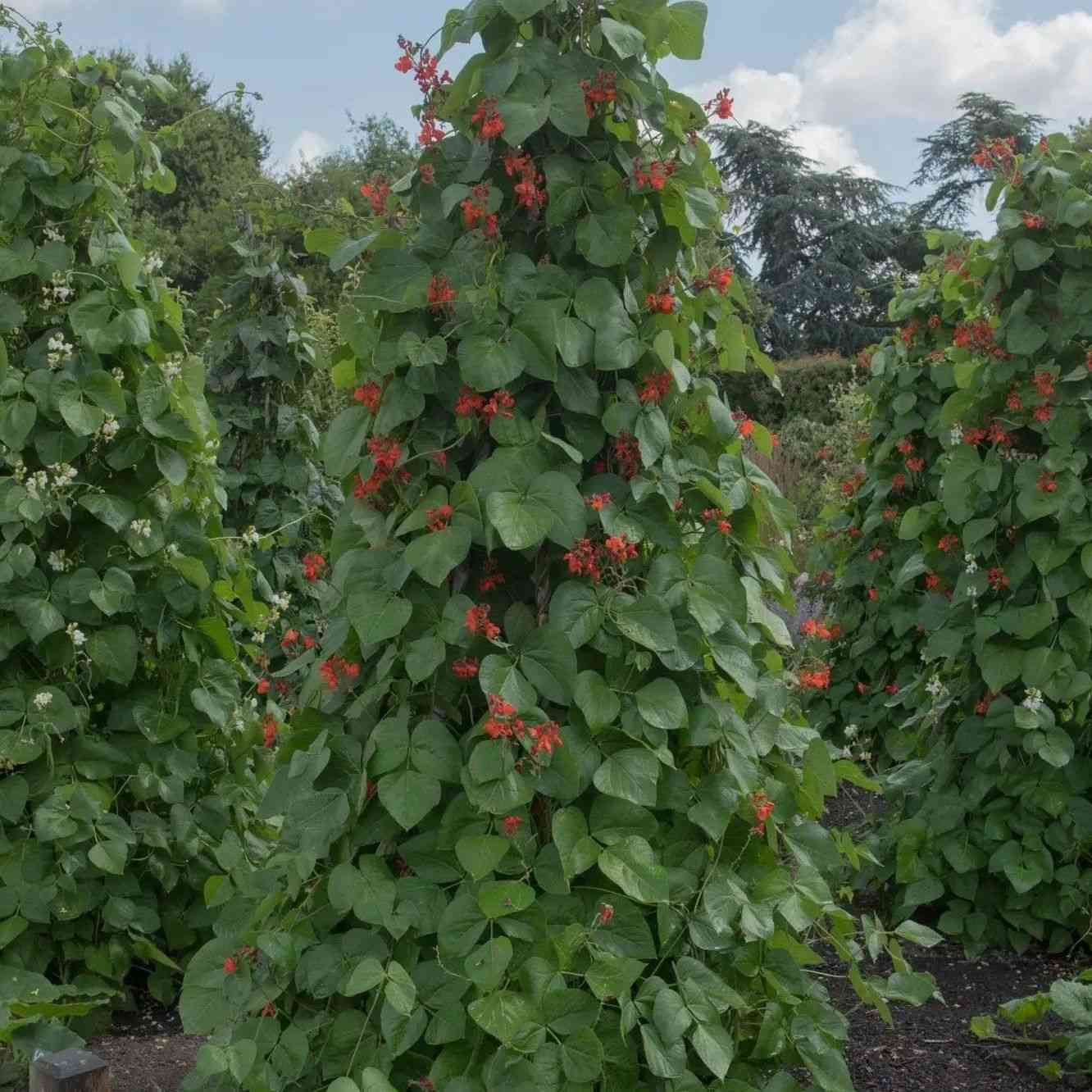
A Haudenosaunee–stewarded heirloom of the scarlet runner bean, Bear Paw marries show-stopping beauty with generous yields and cool-season vigor. Vines climb 8–10 feet and cover trellises in brilliant scarlet blossoms that draw bees and hummingbirds, followed by long, slightly flattened pods 7–9 inches long. Harvest young for tender, flavorful snap beans, or let pods mature for plump “shellies” and large, richly colored dry beans with a full, nutty taste.
Originally domesticated in the highlands of Central America, scarlet runner beans were grown in early U.S. gardens and recorded by Thomas Jefferson in 1812; many seedkeepers trace Bear Paw lines to Haudenosaunee growers, with some accounts linking their circulation to exchanges in the Jeffersonian era, though direct documentation of a personal “gift” remains unconfirmed. What is clear is the living record: a resilient, ornamental-edible pole bean that thrives in cooler summers, fixes nitrogen, and brings both color and sustenance to Haudenosaunee agriculture and beyond.
Description
A Haudenosaunee–stewarded heirloom of the scarlet runner bean, Bear Paw marries show-stopping beauty with generous yields and cool-season vigor. Vines climb 8–10 feet and cover trellises in brilliant scarlet blossoms that draw bees and hummingbirds, followed by long, slightly flattened pods 7–9 inches long. Harvest young for tender, flavorful snap beans, or let pods mature for plump “shellies” and large, richly colored dry beans with a full, nutty taste.
Originally domesticated in the highlands of Central America, scarlet runner beans were grown in early U.S. gardens and recorded by Thomas Jefferson in 1812; many seedkeepers trace Bear Paw lines to Haudenosaunee growers, with some accounts linking their circulation to exchanges in the Jeffersonian era, though direct documentation of a personal “gift” remains unconfirmed. What is clear is the living record: a resilient, ornamental-edible pole bean that thrives in cooler summers, fixes nitrogen, and brings both color and sustenance to Haudenosaunee agriculture and beyond.