Bean Seeds - Pole - Anasazi 1,500 Year Old Cave Bean
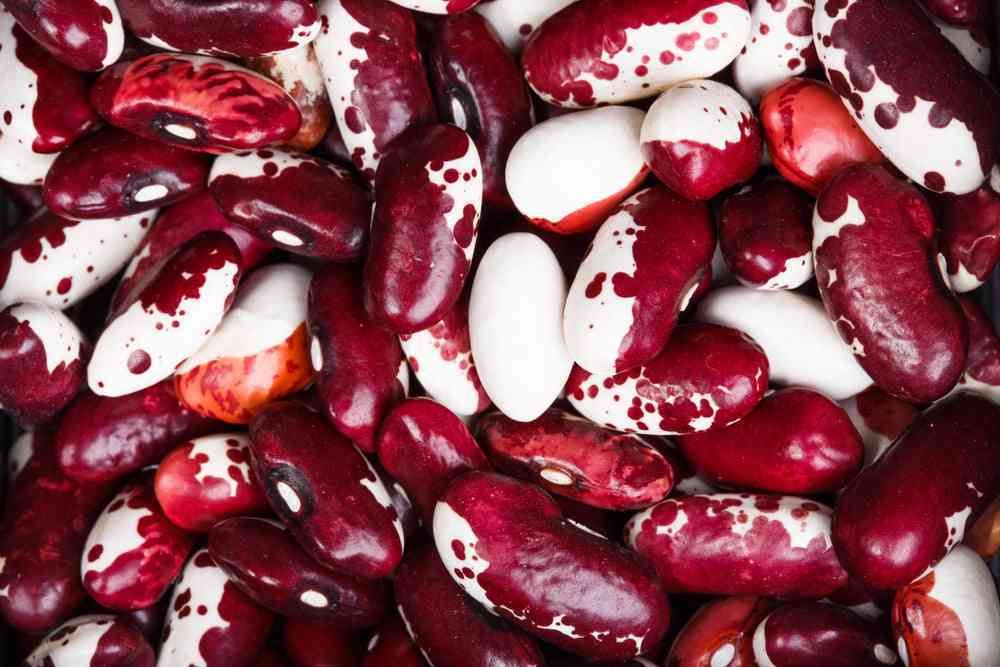
1,500 Year Old Cave Bean seeds are a distinctive Southwestern heirloom bean associated with the Indigenous agricultural traditions of the American Southwest. These striking beans are white with deep maroon and burgundy mottling, producing large kidney-shaped dry beans that have long been valued for their flavor, storage qualities, and reliability in arid growing regions.
The bean is widely connected to the farming traditions of Native peoples of the Southwest, where dry beans have been cultivated for centuries as an important staple crop alongside corn and squash. Beans like this were traditionally grown in hot, dry environments and selected for their ability to produce dependable harvests in challenging conditions. Because of this heritage, varieties such as the 1,500 Year Old Cave Bean are well suited to warm climates and long growing seasons.
The name “1,500 Year Old Cave Bean” comes from a story that beans were discovered in a sealed clay pot inside a cave in the American Southwest and later germinated after centuries. While the details of that story remain debated and are often considered part of seed catalog folklore, the variety itself is a legitimate heirloom dry bean tied to the long history of bean cultivation in the region.
Plants grown from 1,500 Year Old Cave Bean seeds are vigorous climbing pole beans that can reach 8 to 10 feet tall, producing long vines that benefit from a trellis or pole for support. The green pods can be harvested young, but this variety is most often grown as a dry shell bean, allowing the pods to mature and dry on the plant before harvest.
In the kitchen, 1,500 Year Old Cave Bean seeds produce beans with a rich, hearty flavor and smooth texture that hold their shape well during cooking. They are excellent for soups, stews, baked beans, and traditional Southwestern dishes where a flavorful dry bean is desired. Once cooked, the mottled beans soften to a creamy consistency while maintaining their excellent structure.
Gardeners appreciate this heirloom for its historical connection to Southwestern agriculture, its vigorous pole bean growth, and its dependable harvest of beautiful dry beans.
Original: $2.00
-70%$2.00
$0.60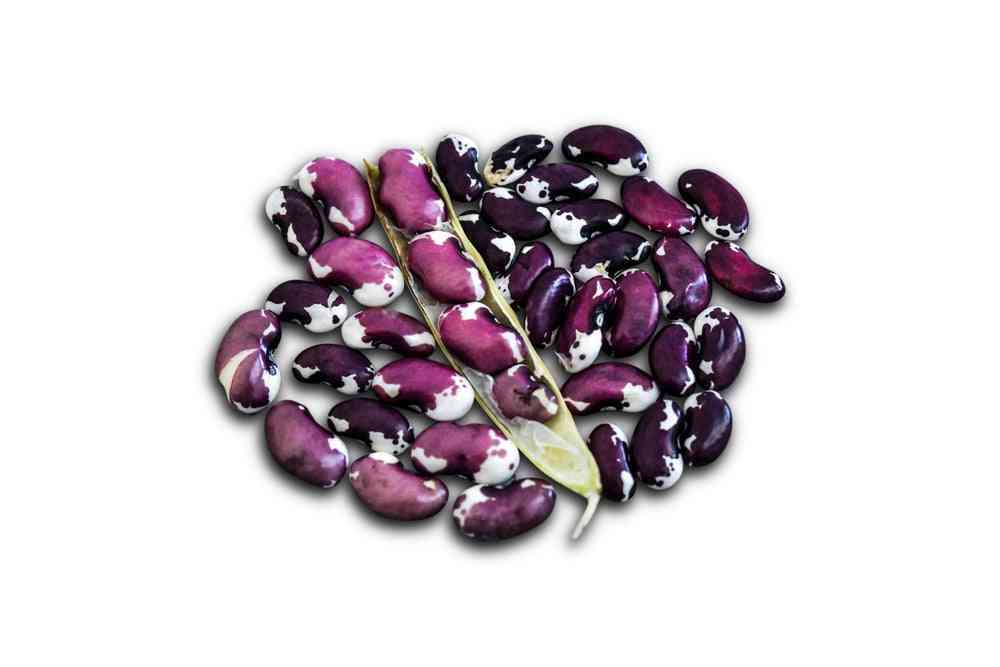
Description
1,500 Year Old Cave Bean seeds are a distinctive Southwestern heirloom bean associated with the Indigenous agricultural traditions of the American Southwest. These striking beans are white with deep maroon and burgundy mottling, producing large kidney-shaped dry beans that have long been valued for their flavor, storage qualities, and reliability in arid growing regions.
The bean is widely connected to the farming traditions of Native peoples of the Southwest, where dry beans have been cultivated for centuries as an important staple crop alongside corn and squash. Beans like this were traditionally grown in hot, dry environments and selected for their ability to produce dependable harvests in challenging conditions. Because of this heritage, varieties such as the 1,500 Year Old Cave Bean are well suited to warm climates and long growing seasons.
The name “1,500 Year Old Cave Bean” comes from a story that beans were discovered in a sealed clay pot inside a cave in the American Southwest and later germinated after centuries. While the details of that story remain debated and are often considered part of seed catalog folklore, the variety itself is a legitimate heirloom dry bean tied to the long history of bean cultivation in the region.
Plants grown from 1,500 Year Old Cave Bean seeds are vigorous climbing pole beans that can reach 8 to 10 feet tall, producing long vines that benefit from a trellis or pole for support. The green pods can be harvested young, but this variety is most often grown as a dry shell bean, allowing the pods to mature and dry on the plant before harvest.
In the kitchen, 1,500 Year Old Cave Bean seeds produce beans with a rich, hearty flavor and smooth texture that hold their shape well during cooking. They are excellent for soups, stews, baked beans, and traditional Southwestern dishes where a flavorful dry bean is desired. Once cooked, the mottled beans soften to a creamy consistency while maintaining their excellent structure.
Gardeners appreciate this heirloom for its historical connection to Southwestern agriculture, its vigorous pole bean growth, and its dependable harvest of beautiful dry beans.