Bean Seeds - Bush - Akai Tama Adzuki
Description
A treasured legume of East Asia, Akai Tama Adzuki carries centuries of agricultural and culinary heritage within its small, ruby-red seeds. Compact and upright, these bush-type adzuki plants reach about 18–24 inches tall, producing clusters of slender pods filled with jewel-like beans that dry to a deep garnet sheen.
The flavor is subtly sweet and earthy, a hallmark of adzuki beans long prized in Japanese, Chinese, and Korean cuisine. Traditionally used for red bean paste, soups, and desserts, they also excel in savory dishes, adding protein-rich depth to rice, stews, and salads.
An ancient crop domesticated in the Himalayas and refined through Japanese selection, Akai Tama (meaning “red jewel”) thrives in warm, well-drained soils and matures evenly for easy harvest. As both a nitrogen-fixing soil builder and a nutrient-dense food source, it unites beauty, sustainability, and cultural continuity—an heirloom that feeds both body and story.
Original: $2.00
-70%$2.00
$0.60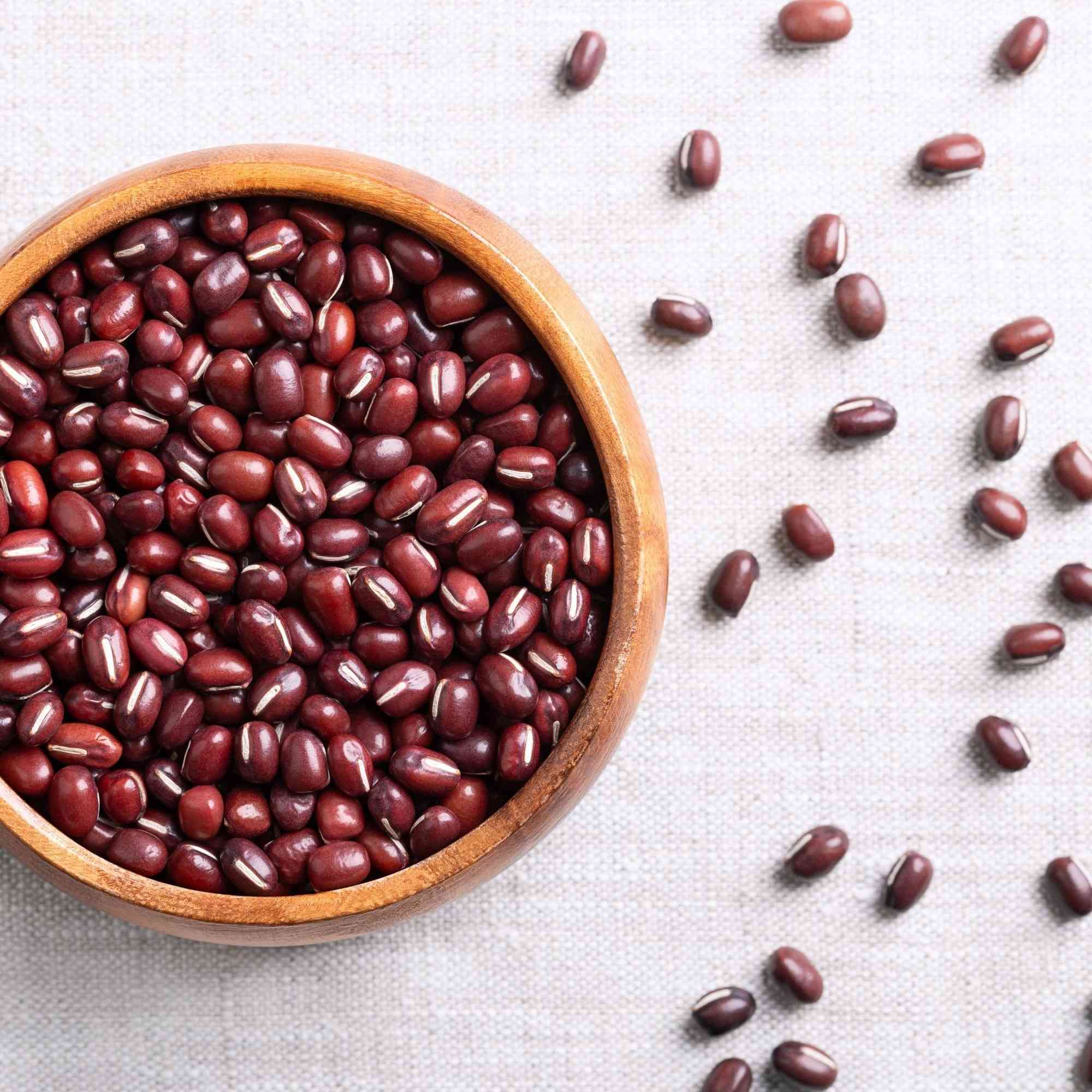

Description
Description
A treasured legume of East Asia, Akai Tama Adzuki carries centuries of agricultural and culinary heritage within its small, ruby-red seeds. Compact and upright, these bush-type adzuki plants reach about 18–24 inches tall, producing clusters of slender pods filled with jewel-like beans that dry to a deep garnet sheen.
The flavor is subtly sweet and earthy, a hallmark of adzuki beans long prized in Japanese, Chinese, and Korean cuisine. Traditionally used for red bean paste, soups, and desserts, they also excel in savory dishes, adding protein-rich depth to rice, stews, and salads.
An ancient crop domesticated in the Himalayas and refined through Japanese selection, Akai Tama (meaning “red jewel”) thrives in warm, well-drained soils and matures evenly for easy harvest. As both a nitrogen-fixing soil builder and a nutrient-dense food source, it unites beauty, sustainability, and cultural continuity—an heirloom that feeds both body and story.