Anise Seeds
Description
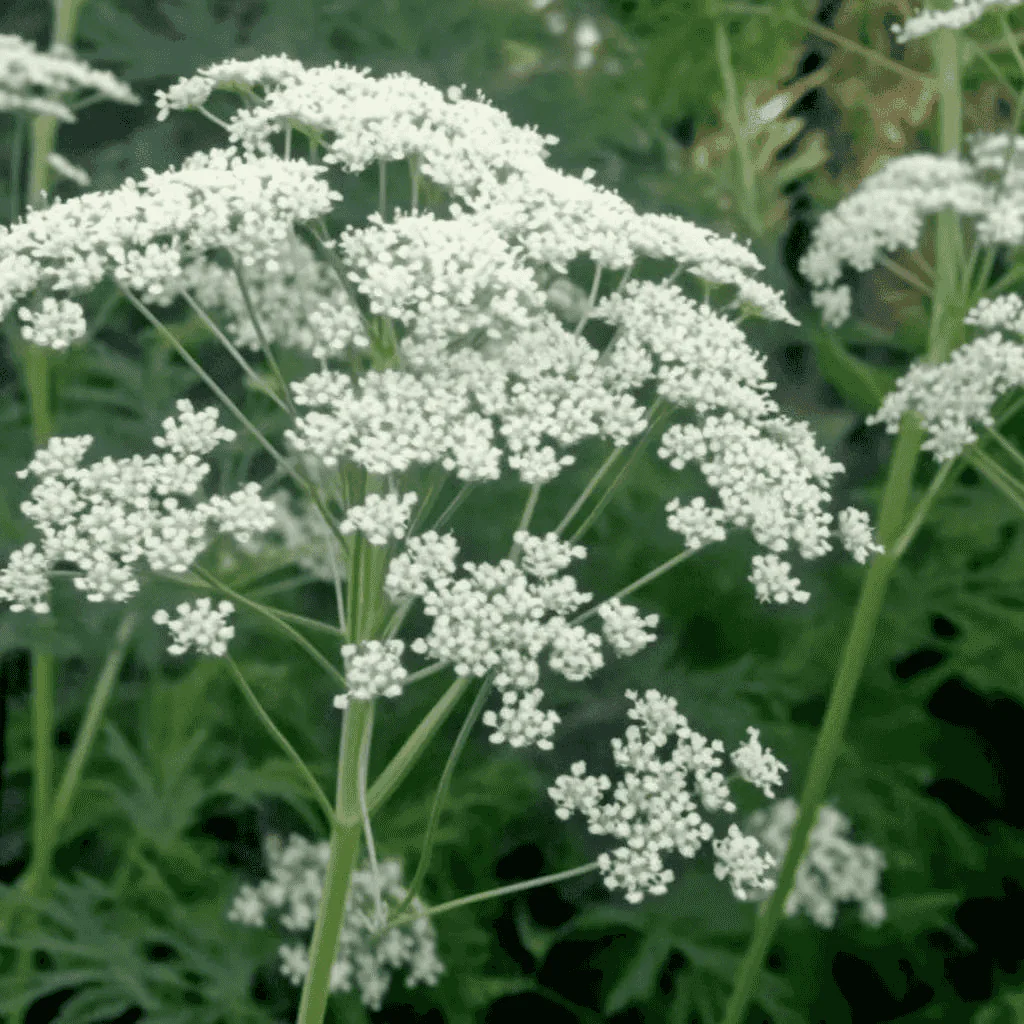
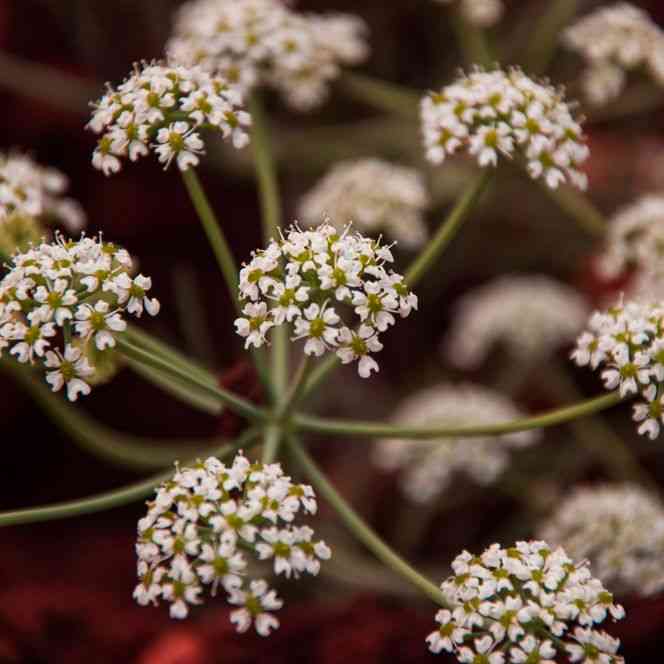
A classic of the ancient herb gardens, Anise (Pimpinella anisum) brings a fragrance as old as civilization itself. This heirloom herb, cultivated since antiquity for its sweet, licorice-like flavor, bears feathery, bright green foliage and delicate umbels of white flowers that beckon pollinators in midsummer. The seeds—oval, aromatic, and warm with spice—are prized for their use in confections, herbal remedies, and spirits from Mediterranean ouzo to French pastis.
Plants grow 18–24 inches tall, finely textured and elegant, with slender stems that sway in summer breezes. As the blooms fade, seed heads mature to a pale bronze, releasing their signature aroma when brushed or harvested. The entire plant—leaf, flower, and seed—offers subtle sweetness and medicinal warmth, ideal for teas, breads, and desserts.
Native to the eastern Mediterranean and cultivated for over 3,000 years, Anise was cherished by the Egyptians, Greeks, and Romans alike. It traveled along spice routes into Europe and the Americas, where it became a staple in apothecaries and kitchens. Though its kin, fennel and star anise, share similar notes, Pimpinella anisum remains distinct—lighter, purer, and more floral. To grow it is to tend a living thread of history, one that connects ancient herb lore with the fragrant heart of the garden.
Description
Description
A classic of the ancient herb gardens, Anise (Pimpinella anisum) brings a fragrance as old as civilization itself. This heirloom herb, cultivated since antiquity for its sweet, licorice-like flavor, bears feathery, bright green foliage and delicate umbels of white flowers that beckon pollinators in midsummer. The seeds—oval, aromatic, and warm with spice—are prized for their use in confections, herbal remedies, and spirits from Mediterranean ouzo to French pastis.
Plants grow 18–24 inches tall, finely textured and elegant, with slender stems that sway in summer breezes. As the blooms fade, seed heads mature to a pale bronze, releasing their signature aroma when brushed or harvested. The entire plant—leaf, flower, and seed—offers subtle sweetness and medicinal warmth, ideal for teas, breads, and desserts.
Native to the eastern Mediterranean and cultivated for over 3,000 years, Anise was cherished by the Egyptians, Greeks, and Romans alike. It traveled along spice routes into Europe and the Americas, where it became a staple in apothecaries and kitchens. Though its kin, fennel and star anise, share similar notes, Pimpinella anisum remains distinct—lighter, purer, and more floral. To grow it is to tend a living thread of history, one that connects ancient herb lore with the fragrant heart of the garden.